Introduction
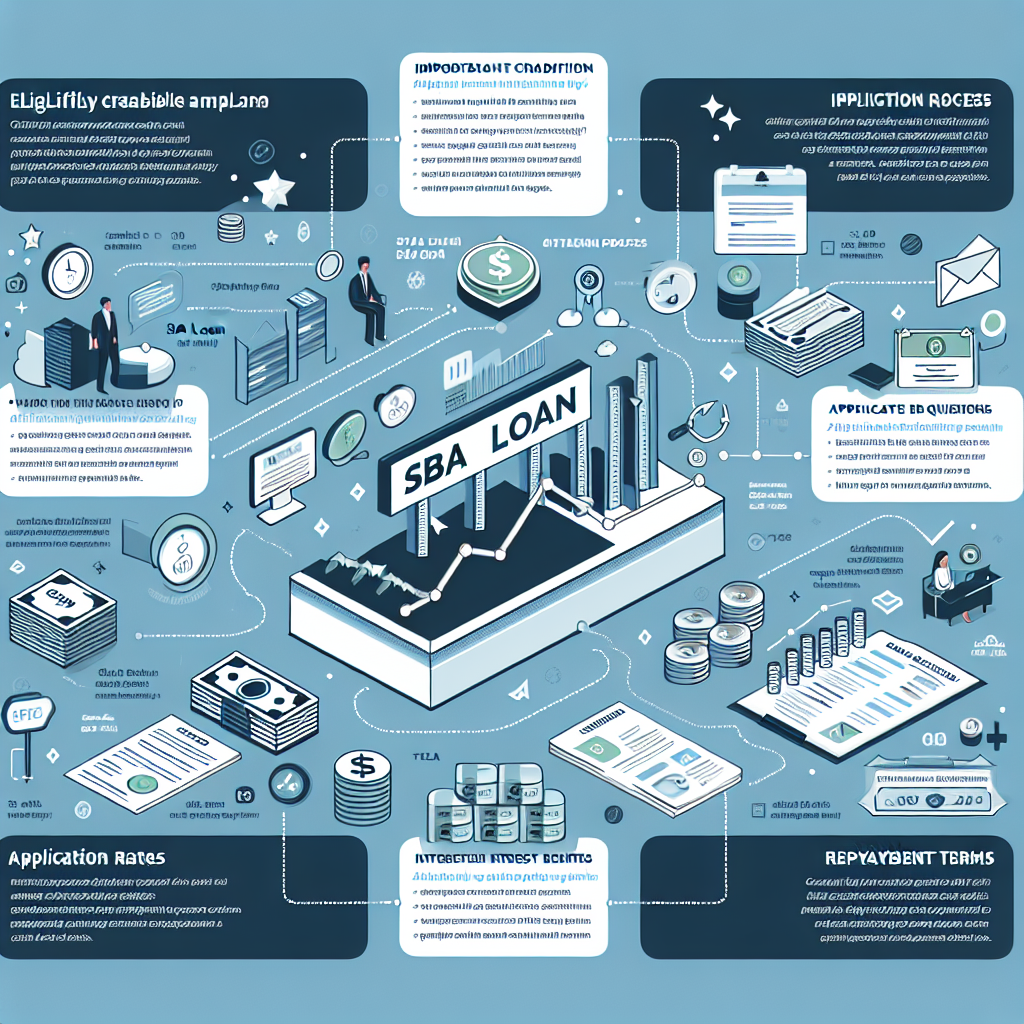
Did you know that Small Business Administration loans account for over $44 billion in annual lending to American entrepreneurs? If you’re exploring funding options for your business, understanding the types of SBA loans available could be the key to unlocking affordable, government-backed financing that traditional banks might not offer.
The challenge many business owners face isn’t finding capital—it’s finding the right type of capital. With multiple SBA loan programs offering different benefits, loan amounts, and qualification requirements, choosing the wrong option could cost you time, money, or even your approval chances.
This comprehensive guide breaks down the three primary types of SBA loans: the versatile SBA 7(a) loan, the real estate-focused SBA 504 loan, and SBA microloans for smaller funding needs. You’ll discover how each program works, their specific requirements, and which option aligns best with your business goals.
We’ll also cover the significant updates to SBA loan programs implemented in {{custom_values.this_year}}, including revised interest rate structures and streamlined application processes that make accessing small business administration loans easier than ever. By the end of this guide, you’ll have the knowledge to confidently navigate the SBA loan application process and choose the financing solution that propels your business forward.
Table of Contents
What Are SBA Loans and How Do They Work?
Did you know that Small Business Administration loans account for over $44 billion in annual lending, helping hundreds of thousands of entrepreneurs achieve their business dreams? Understanding the different types of SBA loans available can be the difference between struggling with traditional bank financing and securing affordable, flexible funding for your business growth.
Whether you’re a startup seeking initial capital or an established business looking to expand, SBA loan programs offer government-backed financing solutions that make business ownership more accessible than ever before.
Understanding Small Business Administration Loans
Small Business Administration loans are financing programs where the federal government guarantees a portion of the loan amount, typically 50-90%, reducing risk for approved lenders. This government backing doesn’t mean the SBA directly lends money to businesses—instead, they partner with banks, credit unions, and alternative lenders to provide more favorable loan terms than traditional commercial financing.
The SBA operates as an intermediary, setting program guidelines and providing guarantees that encourage lenders to approve loans for small businesses that might not qualify for conventional financing. When you apply for an SBA loan, you’re actually applying through an SBA-approved lender who underwrites the loan according to both their standards and SBA requirements.
This structure creates a win-win scenario: lenders can offer competitive rates with reduced risk, while small businesses gain access to capital that might otherwise be unavailable or prohibitively expensive.
Benefits of Government-Backed Financing
SBA loan programs offer several compelling advantages over traditional business financing options. The most significant benefit is lower interest rates—typically 2-4 percentage points below conventional business loans due to the government guarantee reducing lender risk.
Longer repayment terms represent another major advantage, with some SBA loans offering up to 25-year terms for real estate purchases and 10-year terms for equipment financing. These extended terms translate to lower monthly payments, improving your business cash flow management.
The lower down payment requirements make SBA loans particularly attractive for businesses with limited capital reserves. While conventional commercial real estate loans often require 20-30% down, SBA 504 loans can reduce this to just 10%.
Additionally, SBA loans offer more flexible qualification criteria than traditional bank loans. The SBA’s mission to support small business growth means they’re often more willing to work with newer businesses, those with less-than-perfect credit, or companies in underserved markets.
SBA Loan Requirements Overview
While specific SBA loan requirements vary by program type, all SBA loans share certain fundamental eligibility criteria. Your business must operate for profit, meet SBA size standards (typically under 500 employees or specific revenue thresholds by industry), and demonstrate the ability to repay the loan.
Personal credit scores typically need to be 680 or higher for most SBA loan programs, though some microloans may accept lower scores. The SBA also requires borrowers to invest their own money in the business—usually at least 10-15% of the total project cost.
Your business must operate primarily in the United States, and certain industries like gambling, speculation, or non-profit activities are generally ineligible. Collateral requirements depend on the loan amount and type, with loans over $25,000 typically requiring available business assets as security.
The SBA also evaluates your business’s debt-to-income ratio, cash flow projections, and overall financial stability to ensure loan repayment capacity.
The SBA Loan Application Process Basics
The SBA loan application process typically takes 30-90 days from initial application to funding, depending on the loan type and complexity. The process begins with identifying an SBA-approved lender that offers the specific loan program you need.
You’ll need to prepare comprehensive financial documentation, including personal and business tax returns, financial statements, business plans, and cash flow projections. The lender will review your application using both their internal criteria and SBA guidelines before submitting approved applications to the SBA for final guarantee approval.
Pre-qualification with multiple lenders can help you understand your options and identify the most favorable terms. Many SBA-approved lenders offer online pre-qualification tools that provide initial feedback without impacting your credit score.
Once approved, funding typically occurs within 5-10 business days. Throughout the process, maintaining open communication with your lender and promptly providing requested documentation will help ensure smooth processing and faster approval times.
Understanding these fundamentals prepares you to explore the specific SBA loan programs available and determine which type best matches your business financing needs.
SBA 7(a) Loans: The Most Popular Small Business Financing
When exploring the various types of SBA loans available to entrepreneurs, the SBA 7(a) loan program stands out as the flagship offering from the Small Business Administration. Representing over 60% of all SBA loan approvals, these versatile financing solutions have helped hundreds of thousands of small businesses access capital that might otherwise be out of reach through traditional lending channels.
What Is an SBA 7(a) Loan?
An SBA 7(a) loan is the Small Business Administration’s primary lending program, designed to provide flexible financing for a wide range of business purposes. Unlike direct government loans, these are issued by SBA-approved lenders (banks, credit unions, and online lenders) with the SBA guaranteeing 50-90% of the loan amount, depending on the loan size.
The “7(a)” designation comes from Section 7(a) of the Small Business Act, which established this program as the foundation of SBA loan programs. This government backing significantly reduces lender risk, making them more willing to approve loans for small businesses that might not qualify for conventional financing.
Key features of SBA 7(a) loans include:
- Loan amounts ranging from $500 to $5 million
- Government guarantee reducing lender risk
- Competitive interest rates tied to prime rate
- Flexible use of funds for various business needs
- Longer repayment terms than conventional loans
The program includes several specialized sub-programs, such as SBA Express loans for faster processing and Export Express loans for international trade financing.
SBA 7(a) Loan Requirements and Eligibility
Understanding SBA loan eligibility criteria is crucial before beginning the application process. The SBA 7(a) program has specific requirements that businesses must meet to qualify for this government-backed financing.
Business Size Standards:
Your business must meet the SBA’s definition of a “small business,” which varies by industry. Most service-based businesses must have fewer than $8 million in average annual receipts, while manufacturing companies typically must have fewer than 500 employees.
Creditworthiness Requirements:
- Personal credit score of 680 or higher (though some lenders accept scores as low as 640)
- Strong business credit history if the company has been operating for more than two years
- No recent bankruptcies or tax liens
- Demonstrated ability to repay the loan
Business and Owner Requirements:
- Business must be for-profit and operate primarily in the United States
- Owner must have invested their own time and money into the business
- Business must not be engaged in speculative activities or passive investments
- Owner must demonstrate good character and management expertise
Financial Documentation Needed:
- Three years of business and personal tax returns
- Financial statements (profit & loss, balance sheet, cash flow)
- Business plan with financial projections
- Personal financial statements for owners with 20% or more ownership
The SBA loan application process requires thorough documentation, but the comprehensive requirements help ensure both lender and borrower success.
SBA 7(a) Loan Rates and Terms
SBA loan rates for 7(a) loans are among the most competitive in small business financing, thanks to the government guarantee that reduces lender risk. As of {{custom_values.this_year}}, these loans offer attractive terms that make them highly sought after by entrepreneurs.
Interest Rate Structure:
SBA 7(a) loan rates are tied to the prime rate plus a margin determined by loan amount and term:
- Loans $50,000 and under: Prime + 4.25% to 6.25%
- Loans $50,001 to $250,000: Prime + 3.25% to 5.25%
- Loans $250,001 to $5,000,000: Prime + 2.25% to 4.25%
Rates can be either fixed or variable, with most borrowers choosing fixed rates for payment predictability.
Loan Terms and Repayment:
- Working capital loans: Up to 10 years
- Equipment financing: Up to 10 years (or the useful life of equipment)
- Real estate purchases: Up to 25 years
- Business acquisition: Up to 10 years
Fees Associated with SBA 7(a) Loans:
- Guarantee fee: 0% to 3.75% depending on loan amount and term
- Servicing fee: Up to 0.55% annually
- Processing fee: Varies by lender
The combination of competitive rates and extended repayment terms makes SBA 7(a) loans significantly more affordable than most alternative financing options.
Best Uses for SBA 7(a) Loans
The versatility of SBA 7(a) loans makes them suitable for numerous business financing needs. Understanding approved uses helps entrepreneurs determine if this loan type aligns with their specific requirements.
Working Capital and Operating Expenses:
SBA 7(a) loans excel at providing working capital for inventory purchases, payroll, marketing expenses, and other operational needs. This flexibility sets them apart from more restrictive loan products.
Business Acquisitions:
Many entrepreneurs use SBA 7(a) loans to purchase existing businesses, including buying out partners or acquiring competitors. The extended repayment terms make acquisition financing more manageable.
Equipment and Machinery:
While SBA 504 loans are often preferred for large equipment purchases, 7(a) loans work well for smaller equipment needs or when businesses need the flexibility to purchase various types of assets.
Real Estate (Limited):
SBA 7(a) loans can finance up to 10% of a commercial real estate purchase, though SBA 504 loans are typically better suited for real estate financing due to their structure and terms.
Refinancing Existing Debt:
Under specific circumstances, businesses can use SBA 7(a) loans to refinance existing debt, particularly if it provides a significant benefit to the borrower.
Prohibited Uses:
It’s important to note that SBA 7(a) loans cannot be used for:
- Real estate speculation
- Lending or investment activities
- Paying off investors or owners
- Financing businesses in restricted industries (gambling, adult entertainment, etc.)
The broad range of approved uses makes SBA 7(a) loans an excellent choice for established businesses seeking flexible, affordable financing to fuel their growth and operations.
SBA 504 Loans: Commercial Real Estate and Equipment Financing
When business owners need substantial funding for commercial real estate purchases or major equipment investments, SBA 504 loans stand out as one of the most advantageous financing options among the various types of SBA loans. These specialized loans offer unique structural benefits that can significantly reduce the financial burden on growing businesses.
Unlike traditional commercial loans that often require substantial down payments and carry higher interest rates, SBA 504 loan programs provide a distinctive three-party financing structure that maximizes affordability while minimizing risk for business owners seeking long-term asset financing.
Understanding SBA 504 Loan Structure
The SBA 504 loan structure operates through a unique three-party financing arrangement that sets it apart from other SBA loan programs. This innovative approach involves the business owner, an SBA-approved bank, and a Certified Development Company (CDC).
Here’s how the financing breaks down:
- Bank financing: 50% of the total project cost through a conventional bank loan
- SBA debenture: 40% funded through the CDC with government backing
- Owner equity: 10% down payment from the business owner (15% for special use properties)
This structure means that if you’re purchasing a $1 million commercial property, you’d only need to provide $100,000 as a down payment, while securing $900,000 in favorable financing. The SBA loan rates for the 40% CDC portion are typically fixed at below-market rates, providing long-term payment predictability.
The CDC portion is funded through SBA-guaranteed debentures with 10, 20, or 25-year terms, while the bank portion typically carries a 10-year term. This combination creates an effective blended rate that’s often significantly lower than conventional commercial financing.
SBA 504 Loan Requirements and Qualification Criteria
Meeting SBA loan requirements for the 504 program involves several key criteria that demonstrate both business viability and community benefit. The Small Business Administration has established these standards to ensure responsible lending while supporting genuine business growth.
Primary eligibility requirements include:
- Business size standards: Must qualify as a small business under SBA size standards (varies by industry)
- Net worth limitation: Business and personal net worth under $15 million
- Average net income: Less than $5 million after taxes for the preceding two years
- Owner occupancy: Must occupy at least 51% of existing buildings or 60% of new construction
- Job creation or retention: Demonstrate ability to create or retain jobs (typically 1 job per $75,000-$120,000 of SBA funding)
Financial qualification standards mirror other SBA loan eligibility requirements, including strong credit history (typically 680+ credit score), adequate cash flow to service debt, and sufficient business experience. The SBA loan application process for 504 loans also requires detailed project feasibility studies and environmental assessments.
Additionally, businesses must demonstrate good character, management expertise, and commitment to the local community. Certain industries like passive real estate investment, lending, or gambling are restricted from SBA loan programs.
SBA 504 Loan Benefits for Real Estate Purchases
SBA 504 loans offer compelling advantages for commercial real estate acquisitions that make them particularly attractive compared to conventional financing options. These benefits directly address the common challenges business owners face when seeking small business administration loans for property purchases.
Key advantages include:
- Lower down payments: Only 10-15% versus 20-30% for conventional loans
- Fixed interest rates: The SBA portion offers long-term rate stability
- Extended repayment terms: Up to 25 years for real estate purchases
- No prepayment penalties: On the SBA debenture portion
- Below-market rates: Often 1-2% below conventional commercial rates
The SBA loan rates for real estate financing through the 504 program are particularly competitive because they’re tied to the current market rate for 5 or 10-year U.S. Treasury issues, plus a small spread. As of {{custom_values.this_year}}, these rates remain significantly below conventional commercial real estate lending rates.
Business owners can use SBA 504 loan programs to purchase office buildings, warehouses, manufacturing facilities, retail spaces, and even owner-occupied mixed-use properties. The program also covers site improvements, parking lots, landscaping, and utilities necessary for business operations.
This financing structure allows businesses to preserve working capital while securing valuable real estate assets that appreciate over time, creating long-term wealth building opportunities alongside operational benefits.
Equipment Financing with SBA 504 Loans
While commercial real estate represents the most common use, SBA 504 loans also provide excellent financing solutions for substantial equipment purchases and machinery investments. This application of SBA loan programs helps businesses modernize operations, increase productivity, and maintain competitive advantages.
Equipment eligible for SBA 504 financing includes:
- Manufacturing machinery and production equipment
- Construction and heavy equipment
- Medical and dental equipment
- Restaurant and food service equipment
- Technology infrastructure and systems
- Transportation vehicles (with restrictions)
The minimum project size for equipment financing is typically $500,000, making this program ideal for significant equipment investments rather than smaller purchases better suited for SBA microloans or traditional equipment loans.
Advantages for equipment financing include the same beneficial structure as real estate purchases: lower down payments, fixed rates on the SBA portion, and extended repayment terms up to 10-20 years depending on the equipment’s useful life. This extended amortization significantly reduces monthly payments compared to conventional equipment financing.
The SBA loan application process for equipment financing requires detailed specifications, vendor quotes, and demonstration of how the equipment will create or retain jobs. Businesses must also show that the equipment is necessary for operations and will be used at least 51% for business purposes.
Unlike real estate, equipment purchases through SBA 504 loan programs don’t require the same owner-occupancy standards, but they do require the equipment to be used primarily in the business operations rather than leased to third parties.
SBA Microloans: Small Business Funding Under $50,000
While SBA 7(a) loan and SBA 504 loan programs serve businesses needing substantial capital, many entrepreneurs require smaller amounts to launch or expand their operations. This is where SBA microloans fill a crucial gap in the types of SBA loans available to small business owners.
What Are SBA Microloans?
SBA microloans are small-dollar loans ranging from $500 to $50,000, with an average loan amount of approximately $13,000. Unlike other SBA loan programs that work through traditional banks, microloans are administered through nonprofit community-based organizations called intermediary lenders.
These small business administration loans operate under a unique structure where the SBA provides funding to intermediary lenders, who then make direct loans to small businesses. This approach allows for more personalized service and often more flexible underwriting standards compared to traditional bank lending.
SBA microloans are particularly valuable for businesses that need working capital, inventory purchases, supplies, furniture, fixtures, machinery, or equipment. However, they cannot be used for real estate purchases or debt refinancing, distinguishing them from other types of SBA loans.
SBA Microloan Eligibility and Requirements
SBA microloan requirements are generally more accessible than larger SBA loan programs, making them ideal for startups and businesses with limited credit history. Key eligibility criteria include:
Business Requirements:
- Must operate for profit
- Meet SBA size standards for small businesses
- Demonstrate ability to repay the loan
- Show good character and management capability
Credit and Financial Standards:
- Personal credit scores typically need to be 580 or higher
- Business must show cash flow or projected cash flow
- Personal guarantee from business owners with 20% or more ownership
- Collateral requirements vary by lender and loan amount
SBA loan eligibility for microloans is often more forgiving for newer businesses, as intermediary lenders focus on business viability and owner commitment rather than extensive financial history. Many microloan providers also offer business training and technical assistance as part of their SBA loan application process.
SBA Microloan Rates and Repayment Terms
SBA loan rates for microloans are competitive but typically higher than 7(a) or 504 loans due to the smaller loan amounts and higher administrative costs. Current rates generally range from 8% to 13%, depending on the intermediary lender and borrower qualifications.
Repayment Terms:
- Maximum term of 6 years
- Monthly payments required
- No prepayment penalties
- Terms vary based on loan purpose and amount
The shorter repayment terms compared to other types of SBA loans reflect the working capital nature of most microloans. SBA loan rates are fixed, providing predictable monthly payments that help with cash flow planning.
Ideal Candidates for SBA Microloans
SBA microloans serve specific business needs and situations better than other SBA loan programs. Perfect candidates include:
Startup Businesses:
- New entrepreneurs with solid business plans but limited operating history
- Businesses needing initial inventory or equipment purchases
- Service-based businesses requiring working capital to get established
Existing Small Businesses:
- Companies needing modest expansions or equipment upgrades
- Seasonal businesses requiring working capital for inventory buildup
- Businesses in underserved communities or rural areas
Special Circumstances:
- Women, minority, or veteran-owned businesses (many intermediary lenders specialize in these demographics)
- Businesses that may not qualify for traditional bank financing
- Entrepreneurs who value business mentoring alongside financing
When comparing SBA loan programs, microloans offer the fastest approval process, often taking 2-6 weeks compared to 2-3 months for larger SBA loans. This speed, combined with lower documentation requirements, makes microloans an excellent entry point into SBA financing for many small business owners.
The combination of affordable capital, business support services, and accessible SBA loan requirements makes microloans a cornerstone of the Small Business Administration’s mission to support America’s smallest enterprises.
SBA Loan Comparison: 7(a) vs 504 vs Microloans
Now that you understand each SBA loan program individually, comparing the types of SBA loans side-by-side reveals which option best fits your business needs. This comprehensive comparison examines loan amounts, costs, approved uses, and processing requirements to help you make an informed financing decision.
Loan Amount Limits Compared
The three main SBA loan programs offer dramatically different funding levels to match various business scales and growth stages.
SBA 7(a) loans provide the highest borrowing capacity, with maximum loan amounts reaching $5 million for most uses. Standard 7(a) loans cap at $5 million, while Express loans limit to $500,000 for faster processing. This flexibility makes SBA 7(a) loans ideal for significant business expansion, large equipment purchases, or substantial working capital needs.
SBA 504 loans offer up to $5.5 million in total project financing, but the structure differs significantly. The SBA portion maxes at $5.5 million for manufacturing projects or $5 million for other eligible projects. However, borrowers must contribute 10-15% down payment, and a bank provides the remaining 50% through a conventional loan.
SBA microloans serve smaller financing needs with a $50,000 maximum. The average microloan amount is approximately $13,000, making these loans perfect for startups, minority-owned businesses, or companies needing modest capital injections for inventory, equipment, or working capital.
Interest Rates and Fee Structures
SBA loan rates and fees vary significantly across programs, reflecting different risk profiles and government backing levels.
SBA 7(a) loan rates typically range from 11.5% to 14.5% for loans under $50,000, and 10.5% to 13.5% for larger amounts, depending on loan size, term, and current market conditions. Express loans carry slightly higher rates due to expedited processing. Borrowers also pay a guarantee fee ranging from 2% to 3.75% of the loan amount, depending on loan size and term.
SBA 504 loan interest rates are generally lower, with the SBA portion carrying fixed rates around 5.5% to 6.5%. The bank portion follows market rates, typically prime plus 1-3%. The blended rate often results in overall borrowing costs between 6% and 8%. Processing fees include a 0.5% fee on the SBA portion plus additional costs for packaging and legal fees.
SBA microloan rates range from 6% to 13%, with most falling between 8% and 10%. These rates are competitive for small amounts, and many microlenders offer business counseling and technical assistance as part of the lending relationship.
Approved Uses for Each SBA Loan Program
Understanding approved uses helps determine which SBA loan program aligns with your specific business needs.
SBA 7(a) loans offer the most flexibility, covering working capital, equipment purchases, real estate acquisition, business acquisition, debt refinancing, and expansion costs. They cannot fund passive investments, lending to others, or speculative activities.
SBA 504 loans focus specifically on fixed assets: commercial real estate purchases, new construction, substantial renovations, and long-term equipment with useful lives exceeding 10 years. At least 51% of the project must benefit the borrowing business, and owner-occupancy requirements apply to real estate projects.
SBA microloans support working capital, inventory, supplies, furniture, fixtures, and machinery. They’re particularly valuable for businesses needing smaller amounts that traditional banks might not consider profitable to underwrite.
Processing Times and Approval Requirements
SBA loan application process timelines and requirements differ substantially across programs.
SBA 7(a) loans typically take 30-90 days for standard processing, while Express loans can close in 10-36 days. Requirements include personal guarantees from owners with 20% or more ownership, collateral for loans over $50,000, and comprehensive financial documentation including tax returns, financial statements, and business plans.
SBA 504 loans require 60-120 days due to their complex three-party structure involving the borrower, bank, and Certified Development Company (CDC). The approval process includes additional requirements like environmental assessments for real estate projects and job creation or retention commitments.
SBA microloans process fastest, often within 30-60 days, with simplified documentation requirements. Many microlenders focus more on business potential and character than extensive financial history, making them accessible for newer businesses or those with limited credit histories.
The choice between these types of SBA loans ultimately depends on your funding amount, intended use, timeline requirements, and business stage. Understanding these key differences positions you to select the most appropriate SBA loan program for your specific situation.
SBA Loan Requirements and Eligibility Criteria
Understanding the SBA loan requirements is crucial before diving into the application process for any of the types of SBA loans available. While each SBA loan program has specific criteria, the Small Business Administration maintains universal standards that apply across all programs, ensuring consistent qualification benchmarks for government-backed financing.
Universal SBA Loan Requirements
All SBA loan programs share fundamental eligibility criteria that businesses must meet regardless of which loan type they pursue. Your business must operate for profit and meet the SBA’s definition of a small business based on industry-specific size standards. Additionally, you must have invested your own time and money into the business, demonstrating personal commitment to its success.
The SBA loan eligibility requirements also mandate that your business operates primarily within the United States and that the owners are U.S. citizens or legal residents. Borrowers cannot be delinquent on any existing federal debt, and the business must not be engaged in speculative activities or passive investment ventures.
Personal guarantees are required from all owners with 20% or more ownership stake in the business, meaning these individuals become personally liable for the debt. This requirement applies whether you’re seeking an SBA 7(a) loan, SBA 504 loan, or SBA microloans.
Credit Score and Financial History Standards
Credit requirements vary among the different types of SBA loans, but generally, lenders prefer personal credit scores of 680 or higher for SBA 7(a) loans and 504 loans. For microloans, credit score requirements are typically more flexible, with some lenders accepting scores as low as 575.
Your business credit history also plays a crucial role in the approval process. Lenders evaluate your business credit score, payment history with suppliers and creditors, and overall financial responsibility. Even with the SBA guarantee, lenders want assurance that you can manage debt obligations effectively.
Past bankruptcies don’t automatically disqualify you, but they require additional documentation and explanation. Generally, personal bankruptcies must be discharged for at least two years, while business bankruptcies need to be resolved for three years or more before you can qualify for most SBA loan programs.
Business Size Standards and Industry Restrictions
The SBA maintains specific size standards based on your industry’s NAICS (North American Industry Classification System) code. These standards typically focus on either average annual receipts over three years or average number of employees. For example, most manufacturing businesses must have fewer than 500 employees, while many service businesses must have average annual receipts under $8 million.
Certain industries face restrictions or complete exclusion from SBA loan programs. Businesses primarily engaged in lending, gambling, pyramid sales, or speculative activities cannot qualify. Additionally, businesses deriving more than one-third of gross annual revenue from legal gambling activities, or those involved in teaching, instructing, or counseling about illegal activities, are ineligible.
Some businesses require special consideration, including franchises (which must be on the SBA’s approved franchise list), businesses with associate companies, and those involved in agricultural production.
Documentation Needed for SBA Loan Applications
The SBA loan application process requires comprehensive documentation to verify your business’s financial health and eligibility. Standard documents include three years of personal and business tax returns, personal financial statements for all owners with 20% or more ownership, and detailed business financial statements including profit and loss statements, balance sheets, and cash flow projections.
You’ll also need to provide a comprehensive business plan outlining your company’s operations, market analysis, management team, and financial projections. For existing businesses, prepare aging reports for accounts receivable and payable, plus interim financial statements if your fiscal year-end was more than 90 days ago.
Additional required documentation includes business licenses and certifications, articles of incorporation or partnership agreements, lease agreements for business premises, and detailed information about the intended use of loan proceeds. For SBA 504 loans specifically targeting real estate or equipment purchases, you’ll need purchase agreements, property appraisals, and environmental assessments.
Preparation is key to streamlining your application across all small business administration loans. Organizing these documents in advance can significantly reduce processing time and improve your chances of approval, regardless of which SBA loan program best fits your business needs.
How to Choose the Right SBA Loan Program for Your Business
With multiple types of SBA loans available, selecting the right program can make the difference between securing ideal financing and settling for a suboptimal solution. The key lies in systematically evaluating your business needs, goals, and qualifications against each program’s strengths.
Assessing Your Financing Needs
Start by determining your exact funding requirements and timeline. SBA microloans work best for smaller needs under $50,000, such as inventory purchases or minor equipment upgrades. These loans typically process faster but have higher interest rates.
For moderate financing needs between $50,000 and $5 million, SBA 7(a) loans offer maximum flexibility. They’re ideal for working capital, business acquisitions, debt refinancing, or general business purposes where you need adaptable terms.
SBA 504 loans excel when you need substantial funding for fixed assets. If you’re purchasing commercial real estate, major equipment, or renovating facilities, the 504 program’s lower rates and longer terms can save thousands in interest costs.
Consider your cash flow capacity as well. Microloans require higher monthly payments due to shorter terms, while 504 loans offer more manageable payments through extended repayment periods up to 25 years.
Matching Business Goals with SBA Loan Types
Your strategic objectives should guide your SBA loan program selection. Growth-focused businesses often benefit from 7(a) loans because they can fund multiple initiatives simultaneously—from inventory expansion to marketing campaigns.
Established businesses investing in permanent assets find 504 loans most cost-effective. The program’s structure, combining bank financing with SBA debentures, typically results in lower overall borrowing costs for real estate and equipment purchases.
Startups and newer businesses frequently turn to microloans not just for smaller capital needs, but also for the technical assistance many microlenders provide. This combination of funding and mentorship proves invaluable during early business stages.
Working with SBA-Approved Lenders
Choose lenders based on their experience with your preferred SBA loan type. Some banks specialize in 7(a) loans and can expedite processing, while others focus on 504 loans for real estate transactions.
Preferred Lender Program (PLP) banks can approve 7(a) loans up to certain limits without SBA pre-approval, significantly reducing processing time. For urgent funding needs, these lenders offer substantial advantages.
Certified Development Companies (CDCs) exclusively handle 504 loans and often provide superior expertise for real estate and equipment financing. They understand the program’s complexities and can structure deals more effectively.
Microlenders typically offer more personalized service and flexible SBA loan requirements, making them ideal for businesses that might not qualify for traditional bank financing.
Case Study Comparisons for Different Business Scenarios
Manufacturing Company Expansion: A $2.8 million equipment purchase benefited most from an SBA 504 loan. The business secured 90% financing at below-market rates, preserving working capital while upgrading production capabilities.
Restaurant Acquisition: A $450,000 business purchase utilized an SBA 7(a) loan, allowing the buyer to finance both the business purchase and initial working capital needs with a single loan.
Tech Startup Growth: A $25,000 microloan provided essential funding for a software company’s first major marketing campaign, with technical assistance helping optimize their business model.
Multi-Location Retail Chain: This business strategically used multiple SBA loan programs—a 504 loan for a new location’s real estate and a 7(a) loan for inventory and working capital across all locations.
The right choice depends on your specific situation, but understanding each program’s strengths ensures you select the most advantageous financing option for your business’s success.
FAQ Section
What is the easiest SBA loan to get approved for?
SBA microloans are typically the easiest SBA loan to get approved for, with more flexible credit requirements and lower documentation standards. These loans under $50,000 often accept credit scores as low as 550 and focus more on business potential than perfect financial history. Community-based lenders who administer SBA microloans also provide mentoring support, making them ideal for newer businesses or entrepreneurs with limited credit history.
How long does the SBA loan application process take?
The SBA loan application process varies by loan type, typically taking 30-90 days from submission to funding. SBA microloans process fastest at 30-45 days, while SBA 7(a) loans usually take 60-90 days, and SBA 504 loans can extend to 90-120 days due to their complex structure. Working with experienced SBA-approved lenders and having complete documentation ready can significantly reduce processing times.
Can I get multiple types of SBA loans at the same time?
Yes, businesses can have multiple types of SBA loans simultaneously, but they must stay within overall SBA lending limits. For example, you could have an SBA 7(a) loan for working capital and an SBA 504 loan for real estate, as long as the combined debt doesn’t exceed program maximums. Each loan application is evaluated separately based on your business’s ability to service the total debt load.
What are the current SBA loan rates in {{custom_values.this_year}}?
SBA loan rates in {{custom_values.this_year}} range from 11.5% to 16.5% depending on loan type and amount. SBA 7(a) loans under $50,000 cap at 16.5%, while larger amounts range from 11.5% to 14.5%. SBA 504 loan rates for the SBA portion are currently around 5.5% to 6.0%, with bank portions following current market rates. These rates are significantly lower than conventional business loans due to government backing.
Do I need collateral for SBA loans?
SBA loan requirements for collateral vary by loan amount and type. Loans under $25,000 typically don’t require collateral, while larger amounts may need business assets, real estate, or personal guarantees as security. SBA 504 loans always require the purchased asset as collateral, plus the borrower must inject 10% equity. Personal guarantees from owners with 20% or more business ownership are standard across most SBA loan programs.
What happens if I default on an SBA loan?
SBA loan default triggers the government guarantee, meaning the Small Business Administration pays the lender 50-90% of the outstanding balance depending on the loan program. However, borrowers remain personally liable for the full amount, and the SBA will pursue collection through wage garnishment, asset seizure, or legal action. Default also damages credit scores and can prevent future SBA loan eligibility for several years.
Are there SBA loan programs for specific industries?
Yes, several specialized SBA loan programs target specific industries and business types. These include loans for restaurants, healthcare practices, franchises, veterans, women-owned businesses, and minority entrepreneurs. The SBA also offers disaster relief loans, international trade financing, and green energy business loans. Each specialized program may have unique SBA loan eligibility requirements and enhanced terms compared to standard 7(a), 504, and microloan programs.
Conclusion
Understanding the different types of SBA loans is crucial for making informed financing decisions that can transform your small business. Each program serves distinct purposes: SBA 7(a) loans offer maximum flexibility for working capital and general business needs, SBA 504 loans provide cost-effective financing for commercial real estate and equipment purchases, while SBA microloans deliver accessible funding for startups and businesses needing smaller amounts with mentorship support.
The key differences lie in loan amounts, intended uses, and structural requirements. SBA 7(a) loans excel in versatility with amounts up to $5 million, 504 loans specialize in fixed asset financing with favorable long-term rates, and microloans focus on accessibility for businesses needing up to $50,000 with additional business support services.
Success Stories Across SBA Loan Programs
Consider Maria’s bakery expansion using an SBA microloan to purchase commercial ovens, leading to 200% revenue growth within 18 months. Meanwhile, Tech Solutions Inc. leveraged an SBA 7(a) loan to acquire a competitor, doubling their market share. Johnson Manufacturing used an SBA 504 loan to purchase their facility, reducing monthly payments by 30% compared to conventional financing.
As an SBA Preferred Lender with over 15 years of experience helping businesses secure government-backed financing, we’ve guided thousands of entrepreneurs through successful SBA loan applications. Our partnerships with leading SBA lenders and deep understanding of SBA loan requirements ensure you receive expert guidance tailored to your specific needs.
Ready to explore your SBA loan options? Schedule a free consultation with our certified SBA lending specialists to discuss which SBA loan program aligns with your business goals and receive personalized assistance with your application strategy.

Founder of Nanotom Capital & Nanotom Labs