Introduction
Are you dreaming of business ownership but struggling to secure traditional financing? In {{custom_values.this_year}}, SBA loans for business acquisition have become the preferred financing solution for over 65% of business buyers, enabling entrepreneurs to purchase established companies with significantly less capital upfront than conventional bank loans require.
The challenge many aspiring business owners face is clear: traditional lenders often demand 30-40% down payments for business acquisitions, making it nearly impossible for qualified buyers to pursue ownership opportunities. This is where SBA business acquisition financing transforms the landscape, offering government-backed loans with down payments as low as 10% and extended repayment terms that make business ownership accessible.
SBA loans provide substantial advantages over traditional financing for business purchases. While conventional loans typically offer 5-7 year terms with variable rates, SBA acquisition loans extend up to 25 years with competitive fixed rates, dramatically reducing monthly payments. Additionally, the SBA loan process for business purchase includes built-in protections and standardized procedures that benefit both buyers and sellers.
In this comprehensive guide, you’ll discover exactly how to get an SBA loan to buy a business, understand the specific SBA loan requirements for buying a business, and learn insider strategies for maximizing your approval chances. Whether you’re considering SBA 7a loans for business acquisition or exploring SBA 504 loans for business acquisition, we’ll walk you through every step of securing the financing you need to become a business owner in {{custom_values.this_year}}.
Table of Contents
What Are SBA Loans for Business Acquisition?
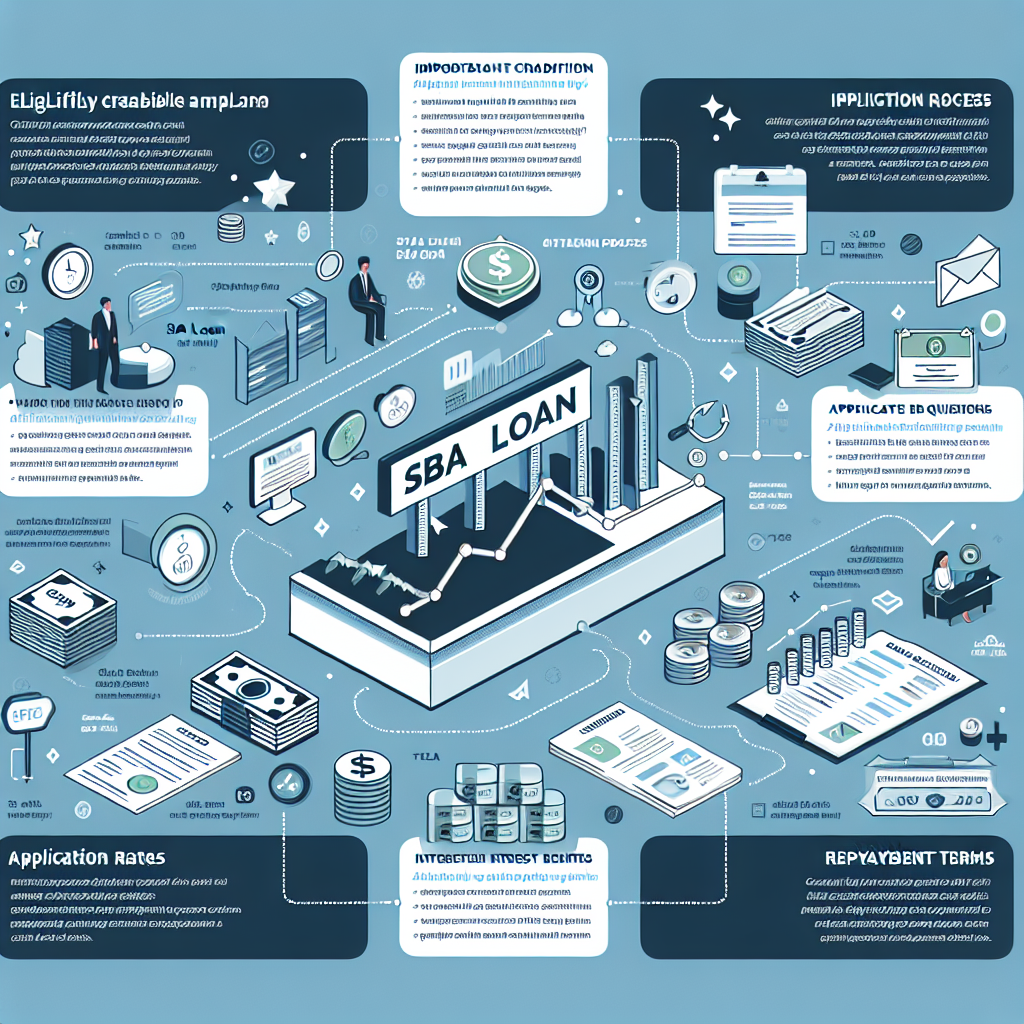
SBA loans for business acquisition represent one of the most powerful financing tools available to entrepreneurs looking to purchase existing businesses. These government-backed loans provide buyers with access to favorable terms and conditions that traditional commercial loans simply cannot match, making business ownership dreams more attainable for qualified borrowers.
Understanding SBA Business Acquisition Financing
SBA business acquisition financing is a specialized lending program where the Small Business Administration guarantees a significant portion of the loan amount—typically 75% to 85%—reducing the risk for lenders and enabling them to offer more favorable terms to borrowers. This government backing doesn’t mean the SBA directly lends money; instead, approved lenders provide the capital while the SBA promises to cover most losses if the borrower defaults.
The SBA guarantee structure works by having the government assume responsibility for the guaranteed portion, while the lender remains liable for the remaining 15% to 25%. This arrangement allows lenders to approve loans they might otherwise consider too risky, particularly for business acquisitions where the primary collateral is often the business itself.
Types of businesses eligible for SBA acquisition financing include most for-profit enterprises that meet SBA size standards and operate in eligible industries. Manufacturing companies, restaurants, retail establishments, service businesses, and professional practices typically qualify. However, certain industries are excluded, including passive investment companies, businesses primarily engaged in political activities, gambling enterprises, and most real estate investment ventures.
The target business must demonstrate stable cash flow, solid financial performance, and the ability to support debt service after the acquisition. Additionally, the business cannot be primarily engaged in speculation or investment activities, and it must operate for profit.
Key Advantages of SBA Acquisition Loans
Lower down payment requirements represent one of the most significant benefits of SBA acquisition financing. While conventional business acquisition loans often require 20% to 40% down payments, SBA loan down payment for business acquisition typically ranges from just 10% to 15% of the purchase price. This reduced capital requirement allows buyers to preserve working capital and pursue larger acquisitions than would otherwise be possible.
Competitive interest rates make SBA acquisition loans particularly attractive in today’s lending environment. SBA loan rates are typically tied to the Prime Rate plus a margin, with maximum rates capped by SBA regulations. These rates are often 1% to 3% lower than comparable conventional business loans, resulting in substantial savings over the loan term.
Longer repayment terms provide borrowers with improved cash flow management capabilities. SBA 7a loans for business acquisition can extend up to 10 years for working capital and equipment purchases, while loans that include real estate components can stretch to 25 years. These extended terms reduce monthly payments and improve the business’s debt service coverage ratio.
Access to larger loan amounts enables buyers to pursue more substantial acquisition opportunities. The maximum SBA loan amount for business purchase under the 7(a) program reaches $5 million, while SBA 504 loans can provide even higher total project financing when real estate is involved. This increased borrowing capacity opens doors to acquisitions that would be impossible with traditional financing constraints.
The combination of these advantages creates a compelling financing package that has helped thousands of entrepreneurs successfully acquire and grow existing businesses, making SBA loans the preferred choice for business acquisition financing.
Types of SBA Loans for Business Purchase
Understanding your SBA loan options for business acquisition is crucial for selecting the right financing structure. The Small Business Administration offers several distinct programs, each designed for specific acquisition scenarios and business needs. Your choice will significantly impact your down payment, loan terms, and overall acquisition strategy.
SBA 7a Loans for Business Acquisition
SBA 7(a) loans for business acquisition represent the most versatile and commonly used option for purchasing existing businesses. These loans can finance up to $5 million of the acquisition cost, making them suitable for a wide range of business purchases from small local operations to substantial enterprises.
The 7(a) program excels in pure business acquisitions where real estate isn’t the primary component. You’ll typically secure 10-15 year repayment terms for acquisition loans, with interest rates ranging from prime plus 2.75% to prime plus 4.75% depending on loan size and term. The standard down payment requirement is 10%, though this can vary based on the business type and your qualifications.
Best use cases for 7(a) acquisition loans include service businesses, retail operations, restaurants without significant real estate components, and manufacturing companies where equipment and operations are the primary value drivers. The program’s flexibility allows you to finance goodwill, customer lists, and other intangible assets that traditional lenders often avoid.
Consider a 7(a) loan when you need working capital as part of the acquisition or when the target business operates from leased premises. The streamlined approval process through SBA Preferred Lenders can close deals in 45-60 days, making you competitive with cash buyers.
SBA 504 Loans for Business Acquisition
SBA 504 loans for business acquisition provide the most cost-effective financing when purchasing businesses that include significant real estate or equipment components. This program structures financing through a unique three-part arrangement: 50% conventional bank loan, 40% SBA debenture, and 10% buyer down payment.
The 504 structure offers substantial advantages for acquisition financing. The SBA debenture portion carries fixed interest rates for 10 or 20 years, providing payment stability throughout your ownership. Maximum financing reaches $5.5 million for most businesses, with higher limits available for manufacturing companies and energy-efficient projects.
When to choose 504 over 7(a) for acquisitions depends primarily on asset composition. If real estate represents 51% or more of the acquisition cost, 504 financing typically provides lower overall costs and better cash flow. The program works exceptionally well for purchasing established businesses like auto dealerships, hotels, manufacturing facilities, or retail operations with valuable real estate.
The 504 program requires owner-occupancy of at least 51% of the purchased real estate, making it ideal for businesses where you’ll actively manage operations. Processing times extend to 60-90 days due to the two-loan structure, but the long-term savings often justify the additional complexity.
Other SBA Programs for Business Purchases
SBA Express loans offer expedited approval for smaller acquisitions up to $500,000, with decisions typically rendered within 36 hours. While these loans carry slightly higher interest rates and require larger down payments (typically 15-20%), they’re invaluable for competitive acquisition scenarios or time-sensitive opportunities.
Community Advantage loans serve underserved markets and borrowers who might not qualify for traditional SBA programs. These loans, available up to $250,000, often accommodate buyers with limited experience or credit challenges, making business ownership accessible to diverse entrepreneurs.
Specialized acquisition programs include the SBA Veterans Advantage program, which reduces guarantee fees for veteran buyers, and the SBA Women’s Business Center lending initiatives. Industry-specific programs exist for rural businesses, exporters, and businesses in designated opportunity zones, often providing enhanced terms or reduced fees.
Your SBA loan process for business purchase begins with matching your acquisition scenario to the most appropriate program, setting the foundation for successful financing and long-term business ownership success.
SBA Loan Requirements for Buying a Business
Understanding SBA loan requirements for buying a business is crucial for successful acquisition financing. The Small Business Administration maintains strict qualification standards for both borrowers and target businesses to ensure loan program integrity and minimize default risk. These requirements span personal qualifications, business criteria, and collateral obligations that significantly impact your ability to secure SBA business acquisition financing.
Borrower Qualifications
Credit score requirements for SBA loans typically demand a minimum FICO score of 680, though some lenders prefer scores above 700 for business acquisition loans. Your personal credit history demonstrates financial responsibility and directly influences loan approval and interest rates. Lenders scrutinize both personal and business credit profiles, looking for consistent payment histories and manageable debt-to-income ratios.
Experience and management criteria require demonstrable business acumen relevant to the target industry. The SBA expects borrowers to possess either direct industry experience, transferable management skills, or a comprehensive plan for acquiring necessary expertise. This might include relevant education, prior business ownership, executive experience, or partnerships with industry veterans. For complex acquisitions, lenders may require detailed management transition plans showing how you’ll maintain business operations.
Personal financial requirements extend beyond credit scores to encompass liquid assets, net worth, and debt service capacity. Most lenders require borrowers to demonstrate sufficient personal liquidity to cover the SBA loan down payment for business acquisition plus working capital needs. Your personal financial statement must show adequate net worth—typically 10-20% of the total project cost—and the ability to service both existing personal debt and new business obligations.
Business Requirements
Business size standards follow SBA guidelines varying by industry, typically measured by average annual receipts or employee count over the past three years. For most industries, businesses must generate less than $27.5 million in average annual revenue, though manufacturing companies can employ up to 500-1,500 people depending on the specific sector. These standards apply to both the acquiring entity and the target business, including affiliate relationships.
Industry eligibility excludes certain business types from SBA financing, including passive real estate investment, lending businesses, gambling enterprises, and adult entertainment. The SBA maintains a detailed Standard Industrial Classification (SIC) list of eligible industries. Additionally, businesses deriving more than one-third of revenue from packaging liquor face restrictions, and agricultural enterprises have specific qualification criteria.
Financial performance criteria for target business require demonstrable profitability and positive cash flow trends. Lenders typically expect the target business to show consistent profitability over the past 2-3 years, with sufficient cash flow to service the proposed debt. The business should demonstrate a debt service coverage ratio of at least 1.25:1, meaning cash flow exceeds debt payments by 25% or more. Tax returns, financial statements, and cash flow projections must support these performance metrics.
Collateral and Personal Guarantees
Collateral requirements for acquisition loans typically include the business assets being acquired, plus additional security when loan amounts exceed available business collateral value. The SBA requires lenders to take collateral equal to the loan amount when available, but won’t decline loans solely due to collateral shortfalls. Business assets like equipment, inventory, accounts receivable, and real estate serve as primary collateral, often supplemented by personal assets for larger acquisitions.
Personal guarantee obligations require all owners with 20% or greater ownership stakes to provide unconditional personal guarantees. These guarantees make you personally liable for the full loan amount, not just your ownership percentage. Spouses may also be required to guarantee loans in community property states or when their assets secure the loan. Personal guarantees typically include both personal and business assets, creating comprehensive lender protection.
SBA lien positions grant the lender first priority on collateral, though the SBA’s guarantee reduces lender risk exposure. The lender maintains primary lien rights on business assets, equipment, and other loan collateral. For SBA 504 loans for business acquisition involving real estate, the CDC (Certified Development Company) holds a second lien position on property while the bank maintains the first lien position. Understanding these lien structures helps you evaluate how acquisition financing affects your overall financial flexibility and future borrowing capacity.
How to Get an SBA Loan to Buy a Business
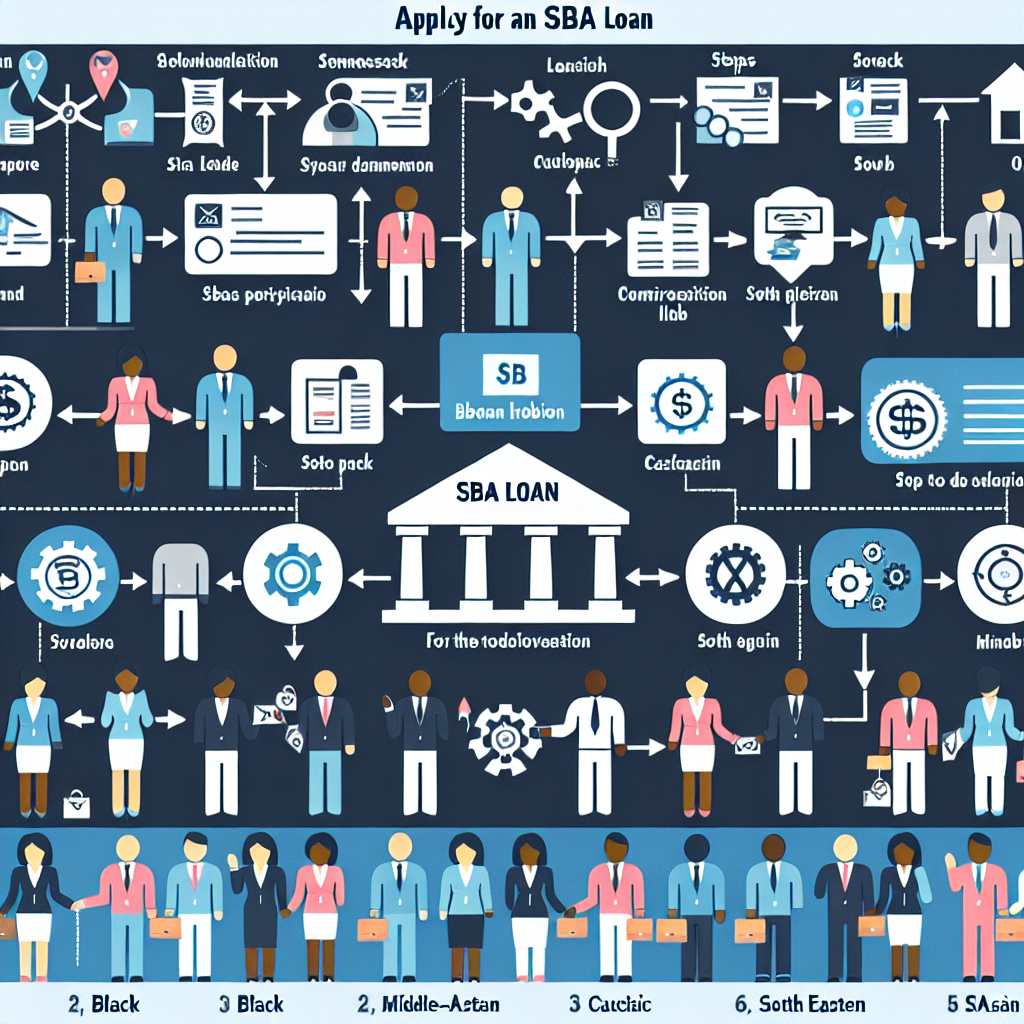
Securing SBA business acquisition financing requires careful planning, strategic preparation, and understanding the loan approval process. While the SBA loan process for business purchase typically takes 45-90 days, proper preparation can significantly streamline your application and improve approval odds. Here’s your step-by-step roadmap to successfully obtaining SBA loans for business acquisition.
Step 1: Preparation and Documentation
The foundation of any successful SBA loan application for buying a business lies in thorough preparation and comprehensive documentation. Lenders scrutinize acquisition deals more carefully than standard business loans, making your documentation package critical to approval.
Essential Financial Documentation:
- Personal financial statements covering the past three years, including all assets, liabilities, and income sources
- Personal and business tax returns for the previous three years (both yours and the target business)
- Business bank statements from the target company for at least 12 months
- Profit and loss statements and balance sheets for the business being acquired
- Cash flow projections showing how you’ll service debt after acquisition
Your business plan and acquisition strategy must demonstrate deep market knowledge and realistic growth projections. Include detailed analysis of the target company’s market position, competitive advantages, and your plans for operational improvements. Lenders want to see that you understand both the opportunities and risks inherent in the acquisition.
Due diligence documentation serves as proof of your thorough investigation. Compile environmental assessments, legal compliance reviews, customer concentration analysis, and equipment appraisals. This documentation reassures lenders that you’ve identified potential issues and have mitigation strategies in place.
Step 2: Finding the Right Lender
Choosing the right lender can make or break your SBA 7a loans for business acquisition application. Not all SBA lenders have equal experience with acquisition financing, and this expertise gap can significantly impact your approval timeline and terms.
SBA Preferred Lenders vs. Standard Lenders:
SBA Preferred Lenders offer streamlined processing and faster decisions since they can approve loans without waiting for SBA review. These lenders typically close acquisition loans 2-3 weeks faster than standard lenders. However, they often have stricter internal requirements and may be more selective about deals they’ll consider.
Standard SBA lenders may accept deals that preferred lenders decline, but expect longer processing times since every approval requires SBA review. For complex acquisitions or borrowers with credit challenges, standard lenders might be your best option.
Choosing lenders experienced in acquisitions is crucial. Look for lenders who regularly handle business purchase transactions and understand acquisition-specific challenges like seller financing integration, working capital adjustments, and asset valuations. Ask potential lenders about their recent acquisition loan volume and average closing times.
Working with business brokers and intermediaries can provide valuable lender referrals. Experienced brokers maintain relationships with acquisition-friendly lenders and can help match your deal profile with appropriate financing sources. Many brokers can also facilitate initial lender conversations and help prepare your presentation.
Step 3: The SBA Loan Process for Business Purchase
Understanding the SBA loan process for business purchase helps you set realistic expectations and prepare for each phase of approval and closing.
Application Submission and Review:
Your lender will conduct initial underwriting focusing on your creditworthiness, experience, and the target business’s financial performance. Expect requests for additional documentation during this phase. Most lenders complete initial review within 10-14 business days for well-prepared applications.
SBA Approval Process Timeline:
Once your lender approves the loan, they submit it to the SBA for guarantee review (unless using a preferred lender). The SBA typically takes 15-30 business days to review acquisition loans, though complex deals may take longer. During this period, continue due diligence activities and prepare closing documents.
Closing Requirements and Procedures:
SBA acquisition loans require extensive closing documentation including final business valuations, updated financial statements, insurance certificates, and legal entity formation documents. Coordinate closely with sellers, attorneys, and accountants to ensure all parties meet closing conditions. Most acquisition closings take 2-3 hours to complete all document signing and fund transfers.
The maximum SBA loan amount for business purchase considerations often influence your preparation strategy, so ensure your loan request aligns with current program limits and your business’s debt service capacity. Remember that thorough preparation in these three steps significantly increases your chances of securing favorable SBA loan down payment for business acquisition terms and expedited approval.
SBA Loan Down Payment for Business Acquisition
Understanding the SBA loan down payment for business acquisition requirements is crucial for buyers looking to minimize their upfront investment while securing financing. Unlike conventional business loans that often require 25-40% down payments, SBA acquisition financing offers significantly more favorable terms that can make business ownership accessible to more entrepreneurs.
Standard Down Payment Requirements
The typical down payment for SBA loans when buying a business ranges from 10-15% of the total purchase price, though this can vary based on several key factors. For SBA 7a loans for business acquisition, the standard down payment is generally 10% of the acquisition cost, while SBA 504 loans for business acquisition may require 10-15% depending on the structure of the deal.
Factors that influence your down payment amount include the target business’s cash flow strength, your personal credit score and experience, the industry type, and the overall risk profile of the acquisition. Businesses with strong financial performance and stable cash flows often qualify for lower down payment requirements, while higher-risk acquisitions may require additional equity investment.
Seller financing integration plays a critical role in SBA acquisition structures. The SBA encourages seller carryback financing, which can effectively reduce your out-of-pocket down payment. When sellers agree to finance a portion of the sale (typically 5-20%), this seller note is treated as equity injection, potentially lowering the cash you need to bring to closing.
Strategies to Minimize Down Payment
Smart buyers can employ several proven strategies to reduce their SBA business acquisition financing down payment burden while still meeting lender requirements.
Using business assets as collateral is one of the most effective approaches. When the target business has valuable equipment, inventory, or accounts receivable, these assets can serve as additional collateral, potentially reducing the required down payment. The SBA views strong asset coverage favorably, which can translate to more flexible down payment terms.
Seller carryback financing remains the gold standard for minimizing cash requirements. In this arrangement, the seller acts as a lender for a portion of the purchase price, typically with a subordinated note behind the SBA loan. For example, on a $500,000 acquisition, you might secure a $400,000 SBA loan, negotiate $50,000 in seller financing, leaving only $50,000 (10%) as your cash down payment.
Equipment and inventory considerations can significantly impact your financing structure. If the business purchase includes substantial equipment or inventory, these assets often qualify for separate equipment financing or can be valued as part of the collateral package. Some buyers successfully negotiate to purchase equipment separately through SBA 504 financing while using a 7(a) loan for the business operations, optimizing the overall down payment structure.
Working capital needs should also factor into your down payment strategy. Many successful acquisitions include additional working capital financing within the SBA loan structure, ensuring you have adequate cash flow post-closing without requiring separate capital injections.
The key to minimizing your down payment lies in thorough preparation and working with experienced SBA lenders who understand acquisition financing. These specialists can structure deals creatively while maintaining SBA compliance, often identifying opportunities to reduce cash requirements that less experienced lenders might miss.
Maximum SBA Loan Amount for Business Purchase
Understanding the maximum SBA loan amount for business purchase is crucial for developing your acquisition strategy and determining which opportunities align with available financing. SBA loan limits have evolved significantly, and knowing these parameters helps you focus on viable targets while maximizing your purchasing power.
Current Loan Limits for {{custom_values.this_year}}
SBA 7(a) loan maximums for acquisitions reach up to $5 million for most business purchases, making them suitable for acquiring substantial enterprises. This limit applies to the total SBA-guaranteed portion and provides significant flexibility for buyers targeting established companies with strong cash flows.
For SBA 504 loans for business acquisition, the structure differs considerably. The SBA portion typically maxes out at $5.5 million for standard projects, while manufacturing businesses and certain energy-efficient acquisitions may qualify for up to $9.5 million in SBA financing. Since 504 loans require the business purchase to include substantial real estate or fixed assets, they’re ideal for acquisitions involving facilities, equipment, or owner-occupied properties.
How loan limits affect acquisition strategy becomes apparent when evaluating target businesses. If you’re considering a $8 million acquisition, a single 7(a) loan won’t cover the full amount, requiring creative structuring with seller financing, additional conventional loans, or larger down payments. However, a 504 loan might accommodate this purchase if significant real estate is involved.
Calculating Available Financing
Debt service coverage requirements typically mandate that the acquired business demonstrate ability to service debt at 1.15-1.25 times the proposed loan payments. Lenders analyze historical cash flow and project future performance, ensuring the business generates sufficient income to cover all debt obligations while maintaining working capital.
Business valuation considerations directly impact your maximum available financing. SBA lenders generally won’t finance more than 90% of the appraised business value, and the appraisal must support your purchase price. If you’re buying a business for $3 million but it appraises for $2.7 million, your maximum financing drops accordingly.
Working capital needs assessment requires factoring operational cash flow requirements beyond the acquisition cost. Smart buyers calculate 3-6 months of operating expenses and include this in their total financing package, ensuring smooth business continuity post-acquisition.
Common Challenges and Solutions
While SBA loans for business acquisition offer significant advantages, buyers often encounter specific hurdles during the financing process. Understanding these common challenges and their solutions can help you navigate the SBA loan process for business purchase more effectively and avoid costly delays that could jeopardize your acquisition opportunity.
Valuation and Appraisal Issues
SBA appraisal requirements represent one of the most frequent stumbling blocks in business acquisitions. The SBA mandates independent business appraisals for most acquisition loans, particularly when the purchase price exceeds $250,000. These appraisals must be conducted by certified business appraisers who follow specific SBA guidelines and valuation methodologies.
Resolving valuation discrepancies requires a strategic approach when the appraisal comes in below the agreed purchase price. First, review the appraisal methodology to ensure the appraiser used comparable businesses and appropriate valuation multiples. If discrepancies exist, you can request a second appraisal or work with your lender to provide additional documentation supporting the business value, such as recent financial performance improvements or unique competitive advantages.
Working with certified appraisers from the beginning can prevent many valuation issues. Choose appraisers with specific experience in your target industry and provide them with comprehensive financial documentation, including tax returns, profit and loss statements, and detailed asset inventories. Clear communication about unique business factors, such as long-term contracts or proprietary processes, helps ensure accurate valuations.
Due Diligence Complications
Financial record requirements for SBA business acquisition financing are extensive and often more detailed than sellers initially expect. The SBA typically requires three years of business tax returns, monthly financial statements for the past 12 months, accounts receivable aging reports, and detailed explanations of any unusual financial items or trends.
Environmental assessments can create unexpected delays, particularly for businesses involving manufacturing, automotive services, or chemical handling. Phase I environmental assessments are standard requirements, and if potential contamination is identified, Phase II assessments may be necessary. Budget additional time and costs for environmental due diligence, especially when real estate is included in the acquisition.
Legal and regulatory compliance verification becomes crucial when pursuing SBA 7a loans for business acquisition. The SBA requires confirmation that the target business maintains all necessary licenses, permits, and regulatory compliance. Common issues include expired licenses, zoning violations, or pending regulatory actions that must be resolved before loan approval.
Timing and Coordination Challenges
Managing acquisition timelines requires careful coordination between multiple parties and processes. SBA loan approval typically takes 60-90 days, but complex acquisitions can extend longer. Create detailed timeline charts that account for due diligence periods, appraisal completion, SBA processing time, and closing requirements.
Coordinating with sellers and intermediaries becomes essential when multiple financing sources are involved. Many successful acquisitions combine SBA loan down payment for business acquisition requirements with seller financing or equipment loans. Establish clear communication protocols and regular progress updates to keep all parties informed of approval status and closing requirements.
Backup financing options provide essential protection when pursuing SBA acquisition financing. While SBA loans offer favorable terms, approval isn’t guaranteed. Maintain relationships with conventional lenders or consider alternative financing structures, such as increased seller financing or partnership arrangements, to ensure deal completion if SBA approval encounters unexpected obstacles.
Frequently Asked Questions
What is the minimum down payment for an SBA loan to buy a business?
The minimum down payment for SBA loans for business acquisition is typically 10% of the purchase price for established businesses with strong cash flow. However, most lenders require 15-20% down to strengthen the loan application. For SBA 7a loans for business acquisition, the down payment can be as low as 10% if you meet all qualification criteria, while SBA 504 loans for business acquisition require a minimum of 10% down from the borrower when purchasing a business with real estate components.
How long does the SBA loan process take for business acquisitions?
The SBA loan process for business purchase typically takes 60-90 days from application to closing. SBA business acquisition financing involves additional complexity due to business valuations, due diligence, and seller coordination. Standard SBA lenders may take 90-120 days, while SBA Preferred Lenders can often complete the process in 45-60 days. The timeline depends heavily on documentation completeness, business complexity, and appraisal requirements.
Can I use an SBA loan to buy a franchise?
Yes, you can use SBA loans for business acquisition to purchase franchises, provided the franchise is listed on the SBA’s Franchise Directory. The SBA has streamlined approval processes for approved franchises, making it easier to get an SBA loan to buy a business in the franchise sector. Both SBA 7a loans for business acquisition and SBA 504 loans can finance franchise purchases, depending on whether real estate is involved.
What types of businesses cannot be purchased with SBA loans?
SBA loan requirements for buying a business exclude several business types including gambling establishments, lending institutions, pyramid schemes, businesses involved in illegal activities, and most real estate investment companies. Additionally, businesses that derive more than one-third of revenue from packaging liquor, adult entertainment venues, and multi-level marketing companies are typically ineligible for SBA business acquisition financing.
Can I get an SBA loan with bad credit for business acquisition?
While challenging, it’s possible to secure SBA loans for business acquisition with less-than-perfect credit. Most lenders require a minimum credit score of 680, but some will consider applicants with scores as low as 650 if other factors are strong. The maximum SBA loan amount for business purchase may be reduced with lower credit scores, and you’ll likely need a larger SBA loan down payment for business acquisition plus strong business experience and cash flow projections.
How much business experience do I need to qualify for an SBA acquisition loan?
SBA loan requirements for buying a business typically require relevant management or industry experience, though the specific amount varies by lender and business complexity. Generally, 2-3 years of management experience in the same or related industry strengthens your application significantly. For buyers without direct experience, demonstrating transferable skills, partnering with experienced managers, or acquiring businesses in industries where your background applies can help you get an SBA loan to buy a business successfully.
Conclusion
Key Takeaways for SBA Business Acquisition Financing
SBA loans for business acquisition offer exceptional opportunities for entrepreneurs looking to purchase established businesses in {{custom_values.this_year}}. The key advantages that make SBA financing attractive include down payments as low as 10%, competitive interest rates typically 2-3% below conventional loans, and extended repayment terms up to 10 years for business acquisitions.
Critical requirements you must meet include maintaining a personal credit score of at least 680, demonstrating relevant industry experience or transferable management skills, and ensuring the target business meets SBA size standards. The business must also show consistent cash flow capable of supporting 1.15x debt service coverage.
Strategic considerations for success include choosing between SBA 7(a) loans for business acquisition (pure business purchases) and SBA 504 loans for business acquisition (when real estate is involved), preparing comprehensive financial documentation, and working with experienced SBA lenders who understand acquisition complexities.
The maximum SBA loan amount for business purchase reaches $5 million for 7(a) loans and up to $5.5 million for 504 loans, providing substantial purchasing power for most acquisition scenarios.
Success Stories and Case Studies
A manufacturing company acquisition in Ohio showcased the power of SBA 7(a) loans for business acquisition. The buyer secured a $2.3 million loan with just 15% down to purchase a profitable metal fabrication business. The extended 10-year term kept monthly payments manageable while the seller provided an additional $300,000 in carryback financing.
In California, a restaurant entrepreneur successfully used SBA 504 financing to acquire both a popular Italian restaurant and its prime real estate location. The 504 structure provided $1.8 million at favorable fixed rates, with the buyer contributing only 10% down payment while the SBA covered 40% and a conventional lender financed the remaining 50%.
A franchise acquisition strategy in Texas demonstrated how SBA business acquisition financing enabled a buyer to purchase three automotive service locations simultaneously. Using multiple 7(a) loans totaling $4.2 million, the buyer leveraged the cash flow from all three locations to qualify for the combined financing package.
Expert Resources and Next Steps
Working with SBA lending specialists who understand the intricacies of how to get an SBA loan to buy a business significantly improves your success probability. Look for lenders with Preferred Lender Program (PLP) status who can expedite approvals and have dedicated acquisition finance teams.
As a certified business intermediary with over 15 years facilitating SBA acquisition financing, I recommend starting your preparation 90 days before making offers. Begin by organizing your financial statements, developing your acquisition criteria, and establishing relationships with experienced SBA lenders in your market.
Additional resources include the SBA’s Resource Partner network, SCORE mentors specializing in acquisitions, and certified business appraisers familiar with SBA requirements. Consider engaging a business attorney experienced with SBA transactions early in your process to navigate complex purchase agreements and ensure compliance with all SBA loan requirements for buying a business.
Your next action should be requesting a pre-qualification consultation with an SBA lender to understand your borrowing capacity and identify any areas requiring improvement before you begin evaluating acquisition opportunities.

Founder of Nanotom Capital & Nanotom Labs