Introduction
Did you know that 78% of small businesses fail to qualify for traditional bank loans, primarily due to lack of established business credit? If you’re an entrepreneur wondering how to build business credit from scratch, you’re facing one of the most critical yet overlooked aspects of business success. Unlike personal credit, which tracks your individual financial behavior, business credit represents your company’s creditworthiness as a separate legal entity.
Business credit functions independently from your personal credit score, using different scoring models and reporting systems. While personal credit scores typically range from 300-850, business credit scores vary by agency—Dun & Bradstreet uses a 1-100 scale, while Experian Business uses 1-100 for their Intelliscore model.
The benefits of establishing strong business credit are transformative: access to better financing terms without personal guarantees, reduced personal liability protecting your individual assets, and accelerated business growth opportunities through increased capital access. Companies with established business credit can secure loans up to 10-100 times larger than those relying solely on personal credit.
This comprehensive guide will walk you through proven business credit building strategies for {{custom_values.this_year}}, from initial business structure setup through advanced techniques for building credit without personal guarantees. You’ll discover how to work with major business credit reporting agencies, leverage business credit cards for startups, and navigate the strategic progression through business credit tiers that unlock increasingly valuable financing opportunities.
Table of Contents
Understanding Business Credit Fundamentals and Reporting Agencies
Building business credit from scratch requires a solid foundation in understanding how the system works. Unlike personal credit, which operates on a relatively straightforward model, business credit scoring involves multiple agencies, different scoring ranges, and unique factors that can significantly impact your company’s financial future. Before diving into specific business credit building strategies, it’s crucial to understand these fundamentals to maximize your success.
The business credit landscape operates through a complex network of reporting agencies, each with distinct scoring systems and criteria. This knowledge becomes your roadmap for strategic decision-making as you work to establish business credit that opens doors to better financing terms, reduced personal liability, and expanded growth opportunities.
How Business Credit Scores Work
Business credit scores operate on different scales depending on the reporting agency, making them more complex than personal credit scores. Dun & Bradstreet uses a PAYDEX score ranging from 1-100, where 80 or above indicates prompt payment history. Experian Business scores range from 1-100, with 76-100 considered excellent. Equifax Business Credit Risk Score spans 101-992, where higher scores indicate lower risk.
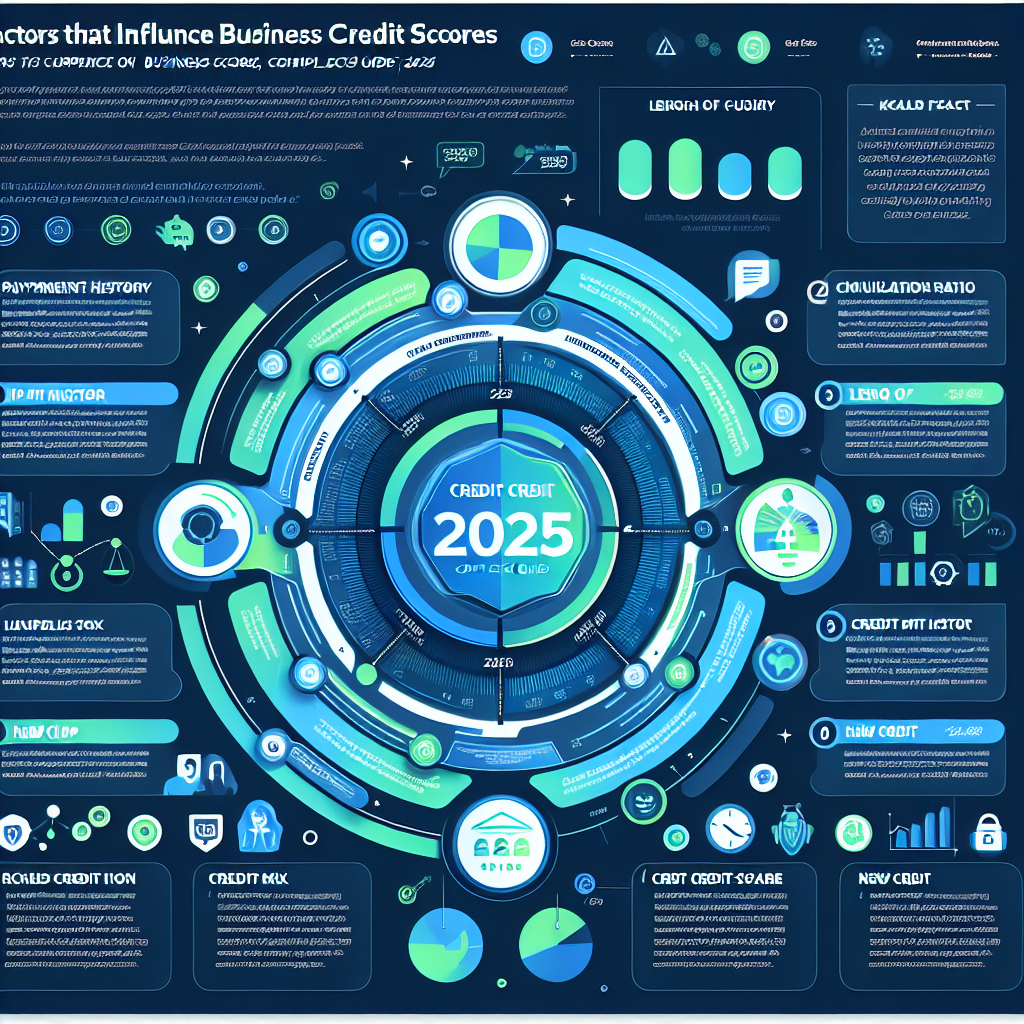
Several key factors influence your business credit scores. Payment history carries the heaviest weight, typically accounting for 35-40% of your score calculation. Credit utilization follows closely, with the recommendation to keep business credit utilization below 30% across all accounts. The length of your credit relationships, types of credit accounts, and frequency of credit inquiries also impact your scores significantly.
Timeline expectations for building meaningful business credit typically span 6-12 months for initial scoring and 12-24 months for substantial credit profiles. Most businesses see their first scores appear after establishing 3-5 trade credit relationships with consistent payment history. However, achieving business credit tiers that unlock major financing opportunities often requires 18-36 months of strategic credit building.
Key Business Credit Reporting Agencies
Dun & Bradstreet business credit remains the most influential reporting agency for B2B transactions and commercial lending decisions. Their PAYDEX score focuses heavily on payment performance, while their Commercial Credit Score predicts the likelihood of severe delinquency. D&B also assigns DUNS numbers, which serve as unique identifiers for business credit profiles and are required for many government contracts and large corporate partnerships.
Experian Business offers comprehensive credit reports that many lenders use for financing decisions. Their Intelliscore Plus ranges from 1-100 and predicts the risk of serious delinquency over the next 12 months. Experian’s strength lies in their extensive database of payment experiences and their integration with many automated lending platforms used by banks and alternative lenders.
Equifax Business provides the Business Credit Risk Score and focuses heavily on financial statement analysis alongside payment history. Their reports often include predictive analytics that help lenders assess future payment probability. Equifax particularly excels in integrating public record information and UCC filings into their risk assessments.
Nav business credit platform serves as both a credit monitoring service and business credit marketplace. While not a reporting agency themselves, Nav aggregates data from major bureaus and provides actionable insights for improving business credit profiles. Their platform excels at matching businesses with appropriate credit products based on current credit profiles and business characteristics.
Business Credit Tiers and What They Unlock
Tier 1 business credit represents the foundation level, typically achieved within 6-12 months of consistent credit building. This tier unlocks basic trade credit accounts with office supply stores, telecommunications providers, and small vendors. Credit limits usually range from $500-$5,000, and these accounts often require initial deposits or personal guarantees. However, Tier 1 credit establishes crucial payment history that forms the foundation for future credit growth.
Tier 2 business credit emerges after 12-18 months of strong credit management and unlocks moderate credit limits ranging from $10,000-$50,000. This tier provides access to supplier financing, equipment leasing with favorable terms, and business credit cards for startups without personal guarantees. Many businesses at this level qualify for SBA loan programs and can establish business lines of credit with community banks.
Tier 3 business credit represents the pinnacle of business creditworthiness, typically achieved after 24-36 months of strategic credit building. This tier unlocks major credit lines exceeding $100,000, institutional lending relationships with national banks, and access to commercial real estate financing. Businesses reaching Tier 3 often qualify for business credit without personal guarantee across multiple product types and can negotiate highly favorable terms with suppliers and lenders.
The progression through these business credit tiers isn’t just about time—it requires strategic planning, consistent payment performance, and gradual credit limit increases that demonstrate growing financial capacity and responsibility.
Essential Steps to Establish Business Credit Structure
Building a solid foundation is crucial when learning how to build business credit from scratch. Think of this process like constructing a house – without proper groundwork, everything else becomes unstable. Many entrepreneurs rush into applying for credit without establishing the basic infrastructure that lenders and credit reporting agencies require to evaluate their businesses.
The key to successful business credit building strategies lies in creating a legitimate, verifiable business identity that exists independently from your personal information. This separation is what ultimately allows you to access business credit without personal guarantee options down the road.
Business Formation and Legal Requirements
Your journey to establish business credit begins with proper business formation. The entity type you choose – whether LLC, Corporation, S-Corp, or Partnership – directly impacts your ability to build credit independently from your personal profile.
LLCs offer the best balance of simplicity and credit-building potential for most entrepreneurs. They provide legal separation between personal and business obligations while requiring minimal ongoing compliance. Corporations offer the strongest separation but come with more administrative requirements.
Obtaining your Federal EIN is your next critical step. This nine-digit number becomes your business’s social security number, allowing credit agencies to track your business credit history separately from your personal credit. Apply directly through the IRS website – it’s free and takes just minutes.
State and local registration requirements vary by location and business type. Most states require annual filings and fee payments. Business credit reporting agencies verify this information, so maintaining good standing with state authorities is essential for your credit profile.
Dedicated business banking is non-negotiable. Open checking and savings accounts using only your business name and EIN. Choose banks that report business account activity to credit bureaus. Community banks and credit unions often provide more personalized service and may be more willing to work with new businesses.
Building Your Business Identity
Professional business identity extends far beyond legal paperwork. Credit agencies and lenders verify business legitimacy through multiple touchpoints, making a comprehensive business presence essential.
Business phone lines should be listed in your business name with directory assistance. Avoid using personal cell phones or shared numbers. Many entrepreneurs use virtual phone systems that provide professional features while maintaining cost efficiency.
Physical business addresses carry more weight than P.O. boxes or mail forwarding services. If you’re home-based, consider using your home address professionally rather than a mailbox service. Dun & Bradstreet business credit algorithms specifically look for consistent address information across all platforms.
Professional websites serve as credibility anchors for your business. Include contact information, business description, and professional design elements. Credit agencies increasingly verify business legitimacy through online presence, making this investment crucial for serious credit building.
Business email addresses using your domain name (not Gmail or Yahoo) reinforce professional credibility. This small detail influences how vendors and credit agencies perceive your business legitimacy.
Directory listings amplify your business visibility. Register with Google My Business, Bing Places, industry-specific directories, and local business associations. Consistent NAP (Name, Address, Phone) information across all listings strengthens your business identity verification.
Initial Credit Profile Setup
Creating profiles with major business credit reporting agencies establishes your business in their systems before you begin building credit history. This proactive approach ensures accurate information from the start.
Dun & Bradstreet registration should be your first priority. They’re the oldest and most influential business credit agency. Create your free business profile, then monitor it regularly for accuracy. Many vendors specifically check D&B ratings before extending credit terms.
Experian Business and Equifax Business profiles complete your coverage with the three major agencies. Each agency may have different information about your business, making comprehensive registration essential.
Nav business credit monitoring provides ongoing oversight of your profiles across all agencies. Their platform aggregates information from multiple sources, making it easier to spot discrepancies or opportunities for improvement.
Information accuracy verification cannot be overstated. Incorrect business names, addresses, or contact information can derail credit applications months later. Review and update your profiles quarterly, especially after any business changes like relocations or name modifications.
The verification process typically takes 30-60 days, so start early. Some credit opportunities require established profiles with these agencies, making this foundational step crucial for accessing business credit tiers and advanced financing options.
Business Credit Building Strategies for Beginners
Learning how to build business credit from scratch requires a systematic approach that starts with foundational credit relationships and progressively builds your credit profile. The key is establishing multiple credit sources that report to the major business credit reporting agencies while maintaining impeccable payment habits. These beginner-friendly strategies will help you create a solid credit foundation without overwhelming your startup’s limited resources.
Success in business credit building comes from understanding that every payment relationship is an opportunity to strengthen your credit profile. Unlike personal credit, business credit focuses heavily on payment patterns with suppliers, vendors, and service providers who regularly report to agencies like Dun & Bradstreet business credit bureaus.
Start with Vendor and Trade Credit
Trade credit represents one of the most accessible entry points for new businesses looking to establish business credit. This strategy involves partnering with suppliers who extend payment terms and report your payment history to credit bureaus.
Begin by identifying suppliers in your industry that specifically report to major business credit agencies. Office supply companies like Staples Business Credit, industrial suppliers such as Grainger, and specialized vendors in your field often provide net-30 or net-60 payment terms to qualified businesses. The key is verifying upfront that they report payment data to Dun & Bradstreet, Experian Business, or Equifax Business.
When establishing these relationships, start small and focus on building perfect payment history. Even a $500 credit line paid consistently can create positive credit entries. Request documentation showing your payment terms and ensure all agreements clearly state the reporting relationship to credit bureaus.
Over time, proactively request credit limit increases every 6-8 months. Suppliers are often willing to expand credit lines for businesses that demonstrate reliable payment patterns. This gradual increase helps improve your overall credit utilization ratios and demonstrates growing business capacity to future lenders.
Utility and Service Account Strategy
Business utilities and services provide an often-overlooked foundation for business credit building strategies. These accounts typically require no credit check initially but can contribute significantly to your credit profile when properly structured.
Establish all essential services under your business name and EIN, including electricity, gas, water, internet, and phone services. Business phone services are particularly valuable because they’re verified by credit agencies as legitimate business indicators. Consider services like business internet plans, commercial insurance policies, and even business waste management accounts.
The critical factor is ensuring these providers report payment histories to business credit bureaus. Contact each provider directly to confirm their reporting practices and request that your account be flagged for business credit reporting. Some utilities report automatically, while others require specific requests to include your payment data in business credit reports.
Maintain perfect payment timing with these accounts since late utility payments can severely damage emerging business credit profiles. Set up automatic payments where possible, but monitor accounts regularly to ensure payments process correctly.
Small Business Credit Cards for Startups
Business credit cards for startups offer a powerful tool for building credit while managing cash flow, but selecting the right cards requires careful consideration of personal guarantee requirements and reporting practices.
Focus on cards specifically designed for new businesses that report to business credit bureaus rather than just personal credit. Cards from major issuers like Chase Business, Capital One Business, and American Express Business typically report to both personal and business credit agencies. Some specialty cards advertise business credit without personal guarantee options, though these often require stronger business profiles.
Maintain credit utilization ratios below 30% across all business cards, with optimal ratios staying under 10%. This demonstrates responsible credit management and positively impacts your business credit scores. Unlike personal credit cards, business cards often allow higher utilization without immediate score penalties, but conservative usage patterns create stronger credit profiles.
Pay balances in full whenever possible, but at minimum, make payments significantly above minimum requirements. Payment timing matters significantly – payments received before statement closing dates show lower utilization ratios on credit reports. Consider making multiple payments per month to keep reported balances low while maximizing your purchasing power.
Strategic credit card usage also helps establish the business credit tiers that unlock larger financing opportunities. Start with easier approval cards and graduate to premium business cards as your credit profile strengthens, creating a diverse credit portfolio that appeals to institutional lenders.
Advanced Business Credit Without Personal Guarantee Techniques
Once you’ve established your basic business credit foundation, the next critical step in learning how to build business credit from scratch involves securing credit without putting your personal assets at risk. Advanced business credit building strategies focus on obtaining financing based solely on your company’s creditworthiness, protecting your personal financial standing while expanding your business’s access to capital.
The key to achieving business credit without personal guarantee lies in demonstrating strong business fundamentals and leveraging specific types of credit products designed for established businesses. These advanced techniques require patience and strategic timing, but they represent the pinnacle of business credit development where your company can access significant financing independently.
Store Credit and Fleet Cards
Business store credit accounts represent one of the most accessible paths to building substantial credit without personal guarantees. Major retailers like Home Depot, Lowe’s, and Staples offer business credit accounts that often require minimal documentation and focus primarily on your business’s payment history rather than personal credit scores.
Start by applying for accounts with suppliers relevant to your industry. Office supply stores, hardware retailers, and specialized equipment vendors frequently offer net-30 payment terms that report to business credit reporting agencies. These accounts typically start with modest credit limits but can expand significantly as you demonstrate consistent payment behavior.
Fleet fuel cards provide another excellent opportunity for businesses with vehicle operations. Companies like Shell, ExxonMobil, and Fleet One offer business fuel cards that report positive payment history to Dun & Bradstreet business credit profiles. These cards often approve businesses with limited credit history because fuel purchases represent essential business expenses with predictable usage patterns.
Building relationships with office supply vendors and equipment suppliers creates multiple reporting tradelines that strengthen your credit profile. Focus on vendors that explicitly state they report to credit bureaus, and maintain perfect payment records to maximize the positive impact on your business credit tiers.
Business Line of Credit Applications
Qualifying for unsecured business lines of credit represents the ultimate goal in building business credit without personal guarantees. These credit facilities provide flexible access to capital based entirely on your business’s creditworthiness and financial performance.
Application requirements for unsecured lines of credit typically include at least two years in business, annual revenues of $100,000 or more, and strong business credit scores across multiple reporting agencies. Lenders also evaluate your business’s cash flow stability, industry risk factors, and existing debt obligations when making approval decisions.
Documentation requirements include business financial statements, tax returns, bank statements, and detailed cash flow projections. Some lenders may also request accounts receivable aging reports and inventory valuations to assess your business’s financial stability and repayment capacity.
Compare terms from different lenders carefully, focusing not just on interest rates but also on draw periods, repayment terms, and any hidden fees. Online lenders, community banks, and credit unions each offer different advantages, with online lenders typically providing faster approval but potentially higher rates.
Using credit lines responsibly means maintaining low utilization ratios, making payments on time, and avoiding the temptation to max out available credit. Successful management of business lines of credit creates a powerful positive impact on your credit profile and positions your business for even larger financing opportunities in the future.
Monitoring and Maintaining Your Business Credit Profile
Once you’ve successfully established your initial business credit foundation, the real work begins with ongoing monitoring and strategic maintenance. Many entrepreneurs make the mistake of assuming their business credit will maintain itself, but building business credit from scratch requires consistent attention and optimization to achieve higher business credit tiers.
Think of your business credit profile as a living asset that requires regular care and strategic nurturing. Just as you wouldn’t ignore your business finances or customer relationships, your business credit reporting agencies profiles need continuous oversight to maximize their value for your company’s growth.
Regular Credit Report Review
Schedule quarterly credit report checks across all major business credit reporting agencies. Set calendar reminders to review your profiles with Dun & Bradstreet business credit, Experian Business, and Equifax Business every three months. This consistent monitoring schedule ensures you catch changes or issues before they impact your creditworthiness.
Identify and dispute errors promptly when they appear on your reports. Business credit reports contain errors more frequently than many business owners realize. Common mistakes include incorrect payment histories, wrong business information, or accounts that don’t belong to your company. The sooner you dispute these errors, the faster they can be corrected, preventing potential damage to your establish business credit efforts.
Monitor credit utilization across all accounts to maintain optimal ratios. Keep your credit utilization below 30% on all business credit cards for startups and credit lines. However, for maximum impact on your business credit scores, aim for utilization rates between 10-20%. This demonstrates responsible credit management without appearing to avoid credit usage entirely.
Track credit score improvements over time by maintaining a simple spreadsheet or using Nav business credit monitoring tools. Document your scores from each reporting agency monthly, noting which actions correlate with score increases. This data helps you understand which business credit building strategies work best for your specific business situation.
Strategic Credit Management
Optimize payment timing for maximum impact by understanding each creditor’s reporting cycles. Many vendors report to business credit agencies on specific dates each month. Contact your creditors to learn their reporting schedules, then time your payments to show the lowest balances when they report. This strategy can significantly improve your credit utilization ratios without changing your actual spending patterns.
Diversify credit types and vendors to demonstrate comprehensive credit management capabilities. Your business credit profile benefits from showing successful management of various credit types: trade credit, business credit cards, equipment financing, and business lines of credit. This diversity signals to lenders that your business can handle different financial responsibilities.
Maintain consistent business information across all platforms and applications. Ensure your business name, address, phone number, and EIN remain identical on every credit application and business profile. Inconsistencies can create separate credit files or delay credit reporting, undermining your business credit without personal guarantee strategy.
Plan credit applications strategically to avoid unnecessary hard inquiries while maximizing approval chances. Space out applications by at least 30-45 days, and research each lender’s requirements before applying. Focus on lenders known to work with businesses in your credit tier, and avoid applying for credit you’re unlikely to receive.
Regular monitoring and strategic maintenance of your business credit profile ensures steady progress toward higher credit tiers and better financing opportunities. These practices separate successful business owners from those who struggle to access the capital needed for growth and expansion.
Common Mistakes to Avoid When Building Business Credit
Building business credit from scratch requires careful attention to detail and strategic planning. Unfortunately, many entrepreneurs unknowingly sabotage their business credit building strategies by making critical errors that can set them back months or even years. Understanding these pitfalls before you begin your journey to establish business credit can save you significant time, money, and frustration.
The most damaging mistakes often stem from confusion about how business credit differs from personal credit, leading to poor separation practices and missed opportunities. Other common errors include inconsistent information management across business credit reporting agencies and poor credit utilization habits that signal risk to lenders. By recognizing these potential stumbling blocks early, you can implement proper business credit building strategies that accelerate your progress toward achieving higher business credit tiers.
Personal Credit Mixing Pitfalls
One of the most significant obstacles entrepreneurs face when learning how to build business credit from scratch is the improper mixing of personal and business credit activities. This fundamental mistake can permanently limit your ability to establish truly independent business credit.
Avoiding personal guarantees when possible should be a primary objective in your credit building journey. While many lenders will initially require personal guarantees for new businesses, accepting them too readily can defeat the purpose of building separate business credit. Start with vendors and business credit cards for startups that don’t require personal guarantees, even if they offer smaller credit limits initially. Companies like Nav business credit platform can help identify these opportunities by showing which lenders are more likely to approve applications without personal backing.
Separating business and personal expenses goes beyond simply having different bank accounts. Every transaction must be properly categorized and processed through the appropriate channels. Using personal credit cards for business expenses, even temporarily, creates a paper trail that suggests your business lacks proper financial structure. Similarly, paying business obligations from personal accounts can confuse credit reporting and reduce the positive impact on your business credit profile.
Understanding when personal credit impacts business applications requires recognizing that complete separation isn’t always possible, especially in the early stages. Dun & Bradstreet business credit reports may still reference personal credit for small businesses, and many traditional lenders will perform personal credit checks regardless of business credit strength. However, knowing when this occurs allows you to time your applications strategically and work toward truly independent business credit over time.
Credit Management Errors
Poor credit management practices can quickly undo months of careful business credit building efforts. These errors often result from applying personal credit habits to business situations or failing to understand how business credit reporting agencies evaluate creditworthiness.
Late payment consequences and prevention carry amplified importance in business credit compared to personal credit. A single 30-day late payment can drop your business credit score significantly and remain visible to lenders for years. Business credit scoring models place heavy emphasis on payment history, making consistency crucial. Implement automated payment systems for all recurring obligations, and maintain cash flow buffers to handle unexpected expenses without disrupting payment schedules. Many successful businesses use calendar reminders set five days before due dates to ensure adequate preparation time.
Over-leveraging and credit utilization mistakes frequently occur when businesses focus solely on obtaining credit without considering optimal usage patterns. Maintaining credit utilization below 30% across all accounts demonstrates responsible credit management, but business credit scoring may reward even lower utilization rates. More importantly, avoid the temptation to max out credit lines just because they’re available. High utilization signals financial stress to lenders and can trigger automatic credit line reductions or account closures.
Inconsistent business information across platforms creates confusion and can delay credit approvals or result in fragmented credit files. Your business name, address, phone number, and Federal EIN must match exactly across all credit applications, vendor accounts, and reporting agency profiles. Even minor variations like “LLC” versus “L.L.C.” or using different abbreviations can create separate credit files that divide your positive payment history. Regular audits of your information across all platforms ensure consistency and maximize the impact of your credit building efforts.
Additionally, resist the urge to apply for multiple credit accounts simultaneously, as this can trigger red flags with lenders and suggest desperate financial circumstances. Instead, space applications strategically and focus on building strong relationships with initial creditors before expanding your credit portfolio.
Accelerating Your Business Credit Growth
Once you’ve established the foundation of your business credit profile, the next phase focuses on accelerating growth through strategic partnerships and professional services. Smart entrepreneurs understand that building business credit from scratch doesn’t have to be a solo journey—leveraging the right resources and relationships can significantly compress your timeline from months to weeks.
The acceleration phase typically begins once you’ve successfully established basic business credit tiers with initial vendor relationships and maintained 3-6 months of perfect payment history. At this stage, you’re ready to explore more sophisticated business credit building strategies that can unlock higher credit limits and better financing terms without personal guarantees.
Professional Credit Building Services
When to consider credit building companies becomes a critical decision point for many business owners. If you’re generating consistent monthly revenue above $10,000, have been in business for at least six months, and need to establish business credit without personal guarantee quickly for upcoming expansion plans, professional services may provide substantial value.
Legitimate credit building companies typically offer comprehensive packages that include Dun & Bradstreet business credit profile optimization, trade line establishment with multiple reporting vendors, and ongoing monitoring across all major business credit reporting agencies. These services excel at navigating the complex requirements of different credit bureaus and can establish relationships with vendors that might otherwise take months to develop independently.
Evaluating legitimate vs. questionable services requires careful scrutiny of company credentials and methodologies. Reputable firms will never guarantee specific credit scores, won’t require upfront payments exceeding $500-1,000, and maintain transparent communication about their vendor network. Red flags include companies promising “instant business credit,” requesting access to your business banking information, or claiming they can remove legitimate negative items from credit reports.
The cost-benefit analysis of professional assistance generally favors businesses with immediate financing needs or those lacking time to manage the credit building process personally. Quality services typically range from $1,500-5,000 annually but can potentially unlock credit lines worth $50,000-250,000. For businesses planning major equipment purchases or inventory expansion, this investment often pays for itself within the first quarter.
Strategic Partnerships and Relationships
Working with established suppliers represents one of the most powerful acceleration strategies available to growing businesses. Instead of starting with small vendors that may not report to credit bureaus, focus on building relationships with mid-tier suppliers in your industry who actively participate in business credit reporting and offer attractive payment terms.
Contact suppliers directly to discuss your credit building goals and inquire about their reporting practices. Many established vendors appreciate working with businesses that prioritize credit development, as it indicates financial sophistication and growth potential. Request net-30 or net-60 terms initially, then demonstrate reliability through consistently early payments before requesting credit limit increases every 90 days.
Leveraging industry associations provides access to pre-vetted supplier networks and often includes member benefits like preferred credit terms or expedited approval processes. Many trade associations maintain vendor directories specifically noting which suppliers report payment history to major credit bureaus, saving you significant research time.
Building relationships with local business community through chambers of commerce, networking groups, and business development organizations creates opportunities for referral-based credit relationships. Local businesses often have established relationships with regional suppliers who may be more flexible with newer companies and more willing to provide trade credit based on community recommendations.
Consider implementing a systematic approach to relationship building by attending two networking events monthly, scheduling quarterly coffee meetings with complementary business owners, and maintaining active participation in at least one industry association. These relationships frequently lead to joint venture opportunities, supplier introductions, and collaborative purchasing arrangements that can enhance your business credit profile while reducing operational costs.
The acceleration phase requires balancing aggressive credit building with responsible financial management—focus on sustainable growth that strengthens your credit foundation rather than pursuing maximum credit limits that might strain your business operations.
FAQ Section
How long does it take to establish business credit from scratch?
Building business credit from scratch typically takes 6-24 months to see meaningful results. You can establish basic trade credit within 30-90 days by setting up vendor accounts with suppliers who report to business credit reporting agencies. However, achieving higher business credit tiers with substantial credit limits usually requires 12-18 months of consistent payment history and diversified credit relationships.
Can I build business credit without any personal guarantee or personal credit check?
Yes, you can build business credit without personal guarantee by focusing on specific strategies. Start with vendor trade credit, business utility accounts, and certain business credit cards for startups that don’t require personal guarantees. Store credit cards, fleet cards, and some equipment financing options also help establish credit independently. The key is building sufficient business credit history before applying for larger credit lines.
What’s the minimum credit score needed to start building business credit?
There’s no minimum personal credit score required to begin building business credit, as business credit building strategies focus on your company’s payment history and financial profile rather than personal creditworthiness. However, having a personal credit score above 650 can help secure better initial terms and access to more credit options during the early stages of your business credit journey.
How do business credit tiers affect my ability to get financing?
Business credit tiers significantly impact your financing options and terms. Tier 1 credit (basic level) provides access to small vendor credit and basic trade accounts. Tier 2 unlocks moderate credit limits and supplier financing with better terms. Tier 3 (highest level) grants access to substantial credit lines, competitive interest rates, and institutional lending without personal guarantees, dramatically expanding your business financing capabilities.
Which business credit reporting agencies should I focus on first?
Start with Dun & Bradstreet business credit as your primary focus, since it’s the most widely used by lenders and suppliers. Next, establish profiles with Experian Business and Equifax Business. Consider using Nav business credit platform to monitor all three agencies simultaneously. Focus on ensuring accurate information across all business credit reporting agencies before applying for credit accounts.
What happens if my business doesn’t have revenue yet – can I still build credit?
You can absolutely establish business credit without revenue by leveraging your business structure and payment history. Focus on business utility accounts, office supply vendors, and telecommunications services that report payment activity. Many suppliers extend trade credit based on your business registration and banking history rather than revenue. Start small and build payment history to demonstrate creditworthiness.
How does Dun & Bradstreet business credit differ from other reporting agencies?
Dun & Bradstreet business credit uses a unique PAYDEX score (0-100 scale) that emphasizes payment timing rather than just payment history. It’s the oldest and most established business credit bureau, with extensive vendor networks that report payment data. Unlike Experian and Equifax Business, which focus more on traditional credit metrics, D&B places greater weight on trade payment patterns and business relationships, making it particularly important for B2B credit building.
Conclusion
Building business credit from scratch requires patience, strategic planning, and consistent execution, but the rewards are substantial for any growing enterprise. By following the comprehensive strategies outlined in this guide, you can establish a robust credit profile that opens doors to better financing opportunities and reduced personal liability.
Key strategies to remember: First, establish your business structure properly with an EIN, business bank accounts, and professional identity across all platforms. Second, begin with vendor trade credit and utility accounts that report to the business credit reporting agencies like Dun & Bradstreet, Experian, and Equifax. Third, gradually progress through the business credit tiers by maintaining perfect payment histories and diversifying your credit relationships.
Timeline expectations vary, but most businesses see initial credit scores within 3-6 months of establishing their first reporting relationships. Reaching Tier 2 status typically takes 12-18 months, while achieving Tier 3 credit access often requires 2-3 years of consistent credit management.
Consider the case of TechStart Solutions, a software consulting firm that began with zero business credit in early {{custom_values.previous_year}}. By implementing a systematic approach—starting with office supply vendor accounts, adding business utility payments, and securing business credit cards for startups without personal guarantees—they achieved a 75 Dun & Bradstreet PAYDEX score within 14 months. Today, they access $150,000 in unsecured credit lines, compared to their competitor who still relies entirely on personal credit guarantees and pays significantly higher interest rates.
With over 15 years of financial consulting experience and certification in business credit analysis, I’ve witnessed countless businesses transform their growth trajectories through strategic credit building. The difference between businesses with established credit versus those without is dramatic—established credit businesses typically access funding 60% faster and at interest rates 3-5 points lower.
Start today with these concrete first steps: obtain your EIN if you haven’t already, open a business bank account, and register with Nav business credit monitoring to track your progress. Your future self will thank you for building this crucial business asset from day one.
For ongoing success, bookmark the business credit reporting agencies dashboards and set quarterly review reminders to monitor your credit growth and dispute any inaccuracies promptly.

Founder of Nanotom Capital & Nanotom Labs